AI Booking and Scheduling for Small Business AU
Running a small business in Australia can feel like a juggling act, right? Between serving customers, managing staff, and keeping the books straight, there’s barely time to breathe. And when it comes to booking appointments, it often eats up even more of your valuable time. This article looks at how AI booking systems can help Australian small businesses get that time back, making things run smoother and keeping clients happy. We’ll explore how these smart tools can handle scheduling, reduce no-shows, and generally make your life a lot easier.
Key Takeaways
- Manual appointment management costs Australian businesses more than they think, leading to missed revenue and stressed owners.
- AI appointment scheduling automates the booking process, improving customer experience and reducing no-show rates with smart reminders.
- Integrating an AI booking system with your existing financial workflows and CRM is key for efficiency and data synchronisation.
- Voice agents and chatbots are the main technologies for AI booking, each suited to different business needs and customer interactions.
- Implementing an AI booking system can lead to significant efficiency gains and overhead reduction, offering a clear return on investment for small businesses in Australia.
Streamlining Operations With AI Appointment Scheduling
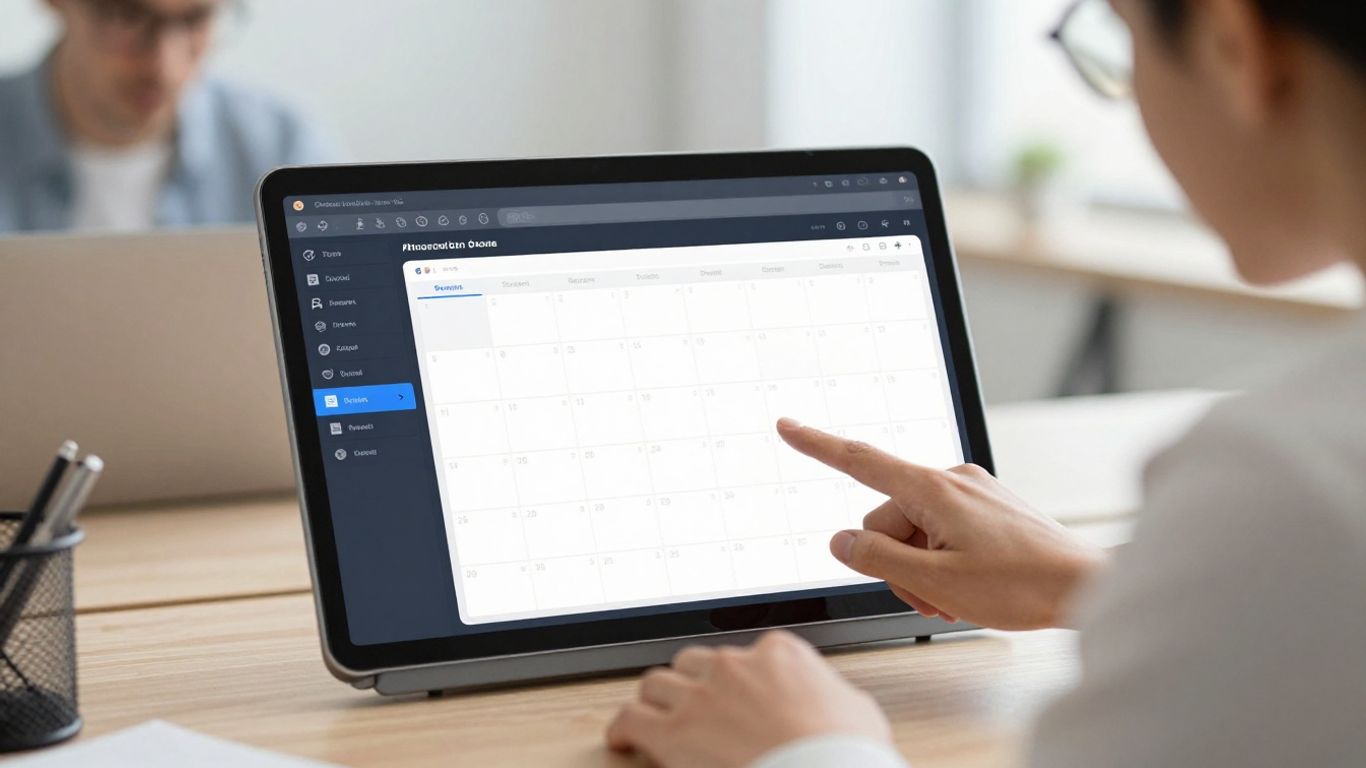
Remember the days of juggling phone calls, sticky notes, and a perpetually overflowing inbox just to book appointments? For many small businesses here in Australia, that’s still the reality. It’s a constant battle, and honestly, it eats up so much time that could be spent actually running the business. This is where AI appointment scheduling steps in, changing the game entirely.
Understanding The Cost Of Manual Appointment Management
Let’s be real, managing appointments manually isn’t just a bit of a hassle; it’s a genuine drain on resources. Think about the hours your team spends on the phone, confirming bookings, sending reminders, and dealing with cancellations. For an Australian business, the cost adds up quickly. We’re talking about salaries, superannuation, and the lost opportunity cost of staff not doing more valuable work. A full-time admin person can cost upwards of $55,000 a year, plus all the extras. AI, on the other hand, can handle thousands of bookings without needing a pay rise or a tea break.
Here’s a quick look at what you might be losing:
- Staff Time: Hours spent on basic booking tasks.
- Errors: Double bookings or missed appointments due to human error.
- Lost Leads: Potential clients who don’t get a quick enough response.
- Customer Frustration: A clunky booking process can turn people away.
Identifying Revenue Leaks In Your Current Booking Process
It’s easy to miss where money is actually slipping through the cracks. Often, it’s not one big hole, but a lot of little ones. When you’re bogged down with admin, you’re not focusing on sales or client relationships. Every minute spent chasing a booking is a minute not spent on billable work or strategic planning. This is why looking at automating common small business tasks is so important – it directly impacts your bottom line.
Consider these common revenue leaks:
- No-Shows: Clients forgetting or not being reminded effectively.
- Unfilled Slots: Gaps in the schedule that could have been booked.
- Slow Lead Response: Potential customers going elsewhere because they didn’t get an answer quickly.
- Manual Data Entry: Time wasted transferring information between systems.
The shift from a passive calendar, which just sits there waiting for input, to an active AI scheduling system means your business is constantly working to fill its schedule and serve its clients, even when you’re not directly involved. It’s about making your booking process work for you, 24/7.
The Shift From Passive Calendars To Active AI Scheduling
Your calendar shouldn’t just be a record of what’s happened or what’s coming up; it should be a dynamic tool actively working to grow your business. Traditional calendars are passive. You put something in, and that’s it. An AI scheduling system, however, is active. It’s constantly looking for opportunities, managing client requests, and optimising your availability. Think of it like having a dedicated receptionist who never sleeps and is incredibly efficient. This proactive approach means you’re not just reacting to bookings; you’re intelligently managing your schedule to maximise efficiency and client satisfaction. It’s a move towards a more professional and organised business operation, which is exactly what modern Australian consumers expect.
This proactive management is key, especially when dealing with high volumes. AI appointment setters can handle a surge in inquiries instantly, ensuring no potential client is left waiting. It’s about turning your booking process from a chore into a competitive advantage.
Enhancing The Customer Journey Through Automation
These days, people expect things to just work. They want to book appointments, get confirmations, and reschedule if needed, all without a fuss. If your business is still relying on back-and-forth emails or phone calls to manage bookings, you’re probably making things harder for your customers than they need to be. A smooth booking process is the first real impression a client gets of your business.
Improving Customer Experience and Brand Perception
Think about it from the customer’s point of view. They’ve found your service, they’re ready to commit, and then they hit a wall of administrative hassle. That’s not a great start. When you automate the booking and initial communication, you’re showing them you’re organised, efficient, and respect their time. This consistency builds trust and makes your brand look professional. It’s about making it easy for them to do business with you, from the very first click.
Modern customers want autonomy. They want to see available times and book themselves in, 24/7. Providing this kind of instant access and self-service capability makes your business feel more accessible and modern. It’s a big step up from waiting for a return call or an email reply.
Designing the Automated Onboarding Sequence
Once a client has booked, the journey isn’t over. The onboarding sequence is where you gather necessary information and set expectations. An automated system can handle this brilliantly. Imagine this:
- Instant Confirmation: The client gets an SMS or email the moment they book, confirming all the details.
- Information Gathering: Automated forms can be sent out to collect details like contact information, service preferences, or even photos if needed for a quote.
- Welcome Information: A follow-up message can provide details about what to expect, directions, or links to relevant resources.
This structured approach means you’re not chasing people for details. Everything is collected upfront, making your actual service delivery much smoother. It also helps reduce those annoying no-show rates because the client is reminded and engaged from the start. For businesses dealing with complex projects, this initial data capture is gold.
Automating the initial stages of client interaction means you’re not spending hours on repetitive admin tasks. This frees up your time to focus on what really matters – delivering great service and growing your business. It’s about working smarter, not harder.
Reducing No-Show Rates with Smart Reminders
No-shows are a real drain on small businesses. They mean lost income and wasted time. Automated appointment reminders are a game-changer here. Instead of manually calling or texting everyone, the system can send out:
- Booking Confirmations: Immediately after booking.
- Pre-Appointment Reminders: A day or two before the appointment.
- Day-Of Reminders: A few hours before the scheduled time.
These reminders can be tailored to include all the necessary details, like the date, time, location, and any specific instructions. Some systems can even allow clients to confirm their attendance or request a reschedule directly through the reminder message. This proactive communication significantly cuts down on missed appointments and keeps your schedule full. It’s a simple yet incredibly effective way to protect your revenue and your time. You can even integrate SMS automation to transform incoming texts into qualified leads, further streamlining your communication.
Integrating AI Booking Into Your Business Workflow
An AI booking system isn’t just a standalone gadget; it needs to play nicely with everything else you’re already using. Think of it like adding a new team member – they need to know how to talk to everyone and use the existing tools. If your booking system is stuck in its own little world, you’re still going to be doing a bunch of manual data entry and chasing your tail with communications. That’s not what we’re aiming for here.
Connecting Your Booking System With Financial Workflows
This is where things get really interesting. Your AI booking tool can actually talk to your payment systems. So, when someone books an appointment, the AI can automatically ask for a deposit or even the full payment right then and there. This is a game-changer for reducing no-shows and making sure you get paid upfront. It integrates with popular payment gateways, so it’s pretty secure and straightforward. This means less chasing invoices and more certainty about your income.
CRM Implementation and Data Synchronisation
Now, you don’t have to have a fancy Customer Relationship Management (CRM) system to use AI for bookings. Plenty of AI tools work fine on their own or just connect to your email. But, if you do have a CRM, linking your AI booking system to it can be a real boost. It means all that booking information – who booked, when, what service – goes straight into your customer database. This helps you keep track of client history better. Some businesses see a big jump in getting new leads converted when this data flows smoothly into one place. It’s all about having your information organised so you can actually use it.
Real-Time Calendar Sync With Google And Outlook
This is a big one for making sure you don’t double-book yourself or your team. AI booking systems can connect directly to your existing Google Calendar or Microsoft Outlook. This connection happens in real-time, which is pretty neat. As soon as a new appointment pops up in your AI system, it shows up on your Google Calendar, and vice versa. No more manually copying and pasting appointments! This keeps your availability accurate everywhere, so you’re not accidentally booking clients when you’re already busy. It’s a simple step that saves a lot of headaches. For businesses looking to streamline operations, tailored workflow solutions can make this integration smooth.
When an AI runs into a question it hasn’t been programmed for, it doesn’t just freeze. Instead, it smoothly passes the conversation over to a real person. The system notes down what was discussed and sends an alert to you or your team right away. This way, the client still gets their question answered accurately, and you only step in for the exceptions, not every single booking.
Setting up a basic AI booking system usually takes about a week to ten business days. This includes getting your calendars linked up, telling the AI about your services, and making sure it understands your business rules. If you need more custom connections, it might take a bit longer, maybe up to three weeks, just to be sure everything is working perfectly. It’s a good idea to look into customised AI integration services if your needs are a bit more complex.
Key Technologies For AI Appointment Booking
When we talk about AI for booking appointments, it’s not just one magic box. There are a few different ways this tech works, and understanding them helps you pick the right fit for your Australian business. Think of it like choosing the right tool for a job – you wouldn’t use a hammer to screw in a bolt, right?
AI Voice Agents: Handling High Call Volumes
These are the AI receptionists you might have heard about. They’re designed to pick up the phone and chat with your customers just like a human would. For businesses that get a lot of calls, like a busy tradie or a popular cafe, this is a game-changer. They can answer common questions, take down details, and even book appointments. This means your actual staff aren’t stuck on the phone all day, missing out on other important tasks. It’s all about keeping things moving, especially outside of business hours. Some services, like Johnni.ai, are built specifically for trades and service businesses, aiming to save you heaps of time and make sure no call goes unanswered.
Conversational Chatbots: Converting Website Traffic
Chatbots live on your website. They’re the little pop-up windows that ask if you need help. These bots are great for people who prefer typing over talking or who are browsing your site when you’re not available. They can guide potential clients through your services, answer FAQs, and book appointments directly from your web pages. It’s a really efficient way to turn website visitors into actual bookings without them having to hunt for your phone number or email.
Core Technologies For AI Appointment Booking: Voice Vs. Chat
So, which is better, voice or chat? It really depends on your customers and how they like to interact.
- Voice Agents: Best for businesses with a high volume of phone inquiries, customers who prefer speaking, or when you need a more personal touch. They can handle more complex conversational flows.
- Chatbots: Ideal for websites, customers who prefer digital communication, or for businesses with simpler booking processes. They’re excellent at capturing leads from online traffic.
- Hybrid Systems: Many businesses find success by using both. A chatbot can handle initial inquiries on the website, and if the conversation gets too complex or the customer prefers, it can seamlessly hand off to a voice agent or a human.
When an AI can’t quite get an answer, it’s programmed to pass the conversation along. It’ll grab the details of what the client was asking and ping you or your team straight away. This way, the customer still gets their question answered, and you only step in when it’s really needed, not for every single booking.
Integrating these AI tools can connect directly with your existing systems. For example, many AI booking tools can sync with popular accounting software like Xero or MYOB, supporting local requirements like GST and BAS. This means your bookings and finances are talking to each other, which is a big win for keeping everything organised. AI tools for Australian businesses can really streamline these connections.
Maximising ROI With Automated Scheduling Systems
So, you’re thinking about AI for booking, but what’s the actual payoff? It’s not just about having a fancy new gadget; it’s about making your business run smoother and, importantly, making more money. When you stop spending hours on the phone or typing out emails to confirm appointments, that time can be redirected. Think about what you could be doing instead – maybe focusing on getting new clients, improving your service, or just taking a breather.
Measuring the ROI of Automated Scheduling Systems
Figuring out the return on investment (ROI) for an AI booking system isn’t rocket science, but it does need a bit of thought. You’re looking at the money you save and the money you potentially make because of the system. It’s about quantifying the benefits.
Here’s a simple way to break it down:
- Time Saved: Calculate the hours your team (or you!) used to spend on manual booking and admin tasks each week. Multiply that by your team’s hourly rate. That’s a direct saving.
- Increased Bookings: Did the AI system help you capture more leads or reduce no-shows? Track any increase in appointments booked and the revenue they generated.
- Reduced Errors: Manual scheduling can lead to costly mistakes like double bookings or missed appointments. Quantify the cost of these errors and how the AI system eliminates them.
- Customer Satisfaction: While harder to put a dollar figure on, happier customers often lead to repeat business and positive word-of-mouth. This has long-term financial benefits.
The real win with AI scheduling is reclaiming your most precious resource: time. This allows you to focus on the strategic aspects of your business that actually drive growth, rather than getting bogged down in operational minutiae.
Efficiency Gains and Overhead Reduction
Let’s talk numbers. Hiring another person to manage bookings and admin can easily cost upwards of $55,000 a year, plus super and other on-costs. An AI system, on the other hand, handles a massive volume of bookings without needing a pay rise or a coffee break. This means your existing team can focus on billable work, not just shuffling appointments around. It’s about getting more done with the resources you already have. This kind of automation is a smart way to scale your business efficiently.
Calculating the True Value of AI for Appointment Booking
Beyond the direct cost savings, consider the less obvious benefits. An AI booking system works 24/7, meaning clients can book appointments whenever it suits them, not just during business hours. This convenience can be a big drawcard. Plus, a slick, automated booking process makes your business look professional and organised. It’s about more than just filling slots; it’s about improving the entire customer experience from the first click. For many Australian businesses, this means a significant boost in lead conversion rates and a stronger brand image overall. It’s a smart investment that pays for itself through better operations and happier clients who feel well looked after.
Securing Your Competitive Edge In Australia
Look, keeping up with the Joneses is tough enough in business, right? Especially here in Australia where things move pretty fast. If you’re still wrestling with a paper diary or a basic digital calendar, you’re probably feeling the pinch. By 2026, the gap between businesses using smart automation and those stuck in manual admin will be huge. It’s not just about looking modern; it’s about actually saving time and, more importantly, money.
Securing Your Competitive Edge In 2026
So, what does this look like for your business in the next couple of years? It means clients expect to book appointments whenever they want, not just when you’re at your desk. Think about it: 67% of customers want a response within 10 minutes. Can your current system do that? Probably not. AI appointment booking systems can capture leads and bookings 24/7, freeing you up from after-hours admin. It’s about making sure every potential job or client interaction is handled, even when you’re not there. This is how you stop revenue from just slipping away.
AI Adoption Accelerating In Australian Businesses
It’s not just a trend; it’s happening now. A report from Export Finance Australia showed that more Aussie businesses are jumping on board with AI. Why? Because they’re tired of losing hours to repetitive tasks. They want to get back to running their actual business. The tech has gotten really good too. AI can now understand what people mean, not just the words they type, so it sounds more natural and keeps your business’s professional vibe. This is a big deal for tradies and service providers who need to sound reliable and competent. Embracing AI is becoming a necessity, not just a nice-to-have, to compete effectively with larger companies.
Bespoke AI And Automation Strategy For SMEs
Now, not every business is the same. That off-the-shelf software might force you to change how you work, which is a pain. The smart move is to get something built for your business. We look at how you currently operate, find those time-sucking admin tasks – maybe 15-20 hours a week? – and build an AI system that fits right in. It connects your booking system to your finances, your customer records, everything. This way, you’re not just automating; you’re making your whole operation run smoother. It’s about getting significant cost savings and productivity gains by making technology work for your specific needs.
Here’s a quick look at what you gain:
- Time Back: Less time on admin, more time on billable work or strategic planning.
- More Bookings: Capture leads and appointments around the clock, reducing missed opportunities.
- Happier Clients: Instant confirmations and easy rescheduling mean a better customer experience.
- Reduced Errors: AI minimises double bookings and data entry mistakes.
The real value isn’t just in the technology itself, but in how it integrates with your existing operations to solve actual problems. It’s about reclaiming your time and focusing on growth, not getting bogged down in day-to-day scheduling.
Getting this right means your business can handle more clients without needing more staff, which is a massive win for your bottom line. It’s about staying ahead of the game and making sure your business is ready for whatever comes next.
Practical Considerations For AI Booking Systems

So, you’re thinking about getting an AI booking system for your small business here in Australia. That’s a smart move, but before you jump in, let’s chat about a few things you’ll want to think about. It’s not just about picking the flashiest tech; it’s about making sure it actually works for your business and your customers.
Can the AI Collect Payments or Deposits at the Time of Booking?
This is a big one for a lot of businesses, especially if you’ve had issues with people not showing up or cancelling last minute. Good news is, most AI booking systems can handle this. They usually link up with payment gateways like Stripe or PayPal. You can set it up so clients have to pay a deposit, or even the full amount, before their spot is locked in. This not only helps secure your revenue but also cuts down on those annoying no-shows. It basically automates a task that used to take ages with invoicing and chasing payments.
How Does AI Handle Complex Scheduling Requests or Reschedules?
Life happens, and clients often need to change their appointments. The clever part about AI is how it deals with these changes. It can look at your availability, the client’s preferences, and any other rules you’ve set (like buffer times between appointments) all at once. If someone needs to reschedule, the AI can find a new slot that works for everyone and update all your calendars in a flash. It’s designed to follow your business rules automatically, so you don’t have to worry about double bookings or missed slots. This means your team can focus on the actual work, not the admin.
What Happens If the AI Cannot Answer a Specific Client Question?
No AI is perfect, right? Sometimes a client will ask something a bit out there, something the AI hasn’t been programmed to understand. When this happens, the system is usually set up to smoothly pass the conversation over to a real person – that’s you or your staff. The AI will capture what the client asked and send you an alert, often via text or email. This way, the client still gets their question answered accurately, and you only step in when it’s actually needed, rather than being interrupted for every simple query. It’s about letting the AI handle the routine stuff so you can manage the exceptions.
Here’s a quick rundown of what to expect:
- Seamless Handoff: The AI transfers the conversation to a human when it can’t answer.
- Contextual Information: You receive details about the client’s query.
- Reduced Interruption: You’re alerted only for specific, complex issues.
Implementing an AI booking system typically takes about 5 to 10 business days for setup and testing. This includes linking your existing calendars and teaching the AI your specific business rules. For more complicated setups, it might stretch to around 21 days to make sure everything is perfectly aligned. It’s a bit like setting up any new tool for your business; there’s an initial period to get it running smoothly.
And don’t forget about data security. Most reputable systems use strong encryption and follow Australian privacy laws, so your client information should be safe. It’s always good to check the specifics of any system you’re considering, but generally, they’re built with security in mind. You can find out more about practical AI applications for small businesses that can help streamline these kinds of operations.
Wrapping Up: Your Time Back
So, there you have it. Using AI for booking and scheduling isn’t some far-off future thing; it’s here now and can really help out Aussie small businesses. It means less time spent staring at a calendar or chasing up emails, and more time actually running your business and doing what you love. Think about it – fewer mistakes, happier customers who can book whenever they want, and your team freed up for more important jobs. It’s about making things run smoother, cutting down on those annoying admin tasks, and ultimately, giving you back some precious time. If you’re feeling swamped by the daily grind, it might just be the smart move to look into how these systems can work for you.
Frequently Asked Questions
Can the AI take payments or deposits when someone books?
Absolutely! AI booking systems can connect with payment services like Stripe or PayPal. You can set it up so clients pay a deposit or the full amount before their appointment is confirmed. This helps make sure you get paid upfront and cuts down on people not showing up.
How does AI handle tricky booking requests or when someone needs to change their appointment?
AI systems are pretty clever. They can look at lots of information at once. If someone needs to reschedule, the AI finds a new time that works for both you and the client, and updates all calendars super fast. It also automatically considers things like staff availability and breaks between appointments, making sure everything stays organised without you lifting a finger.
What happens if the AI can’t answer a client’s question?
If the AI gets a question it doesn’t know the answer to, it smoothly passes the chat over to a real person. It will let you know what the client asked so you can jump in and help. This way, clients always get the right information, and you only deal with the tricky bits.
Will an AI booking agent sound like a real person to my Australian customers?
Yes, modern AI uses advanced technology to understand what people mean, not just the words they use. This means the AI can sound natural and keep your business’s professional tone. It’s designed to chat like a human, not a robot.
Is using AI for bookings safe for my clients’ private information?
Security is a big deal for these systems. They use strong encryption to keep data safe, both when it’s stored and when it’s being sent. Most systems also follow Australian privacy laws, so your clients’ details are protected. Only the people who need to see the information can access it.
Can I connect my existing Google or Outlook calendar to the AI booking system?
Definitely! AI booking tools can link up with Google Calendar and Outlook. This happens instantly, so the AI always knows when you’re free or busy. It means you don’t have to manually update your calendar, and everything stays accurate everywhere.