AI Agents vs Chatbots: What’s the Difference?
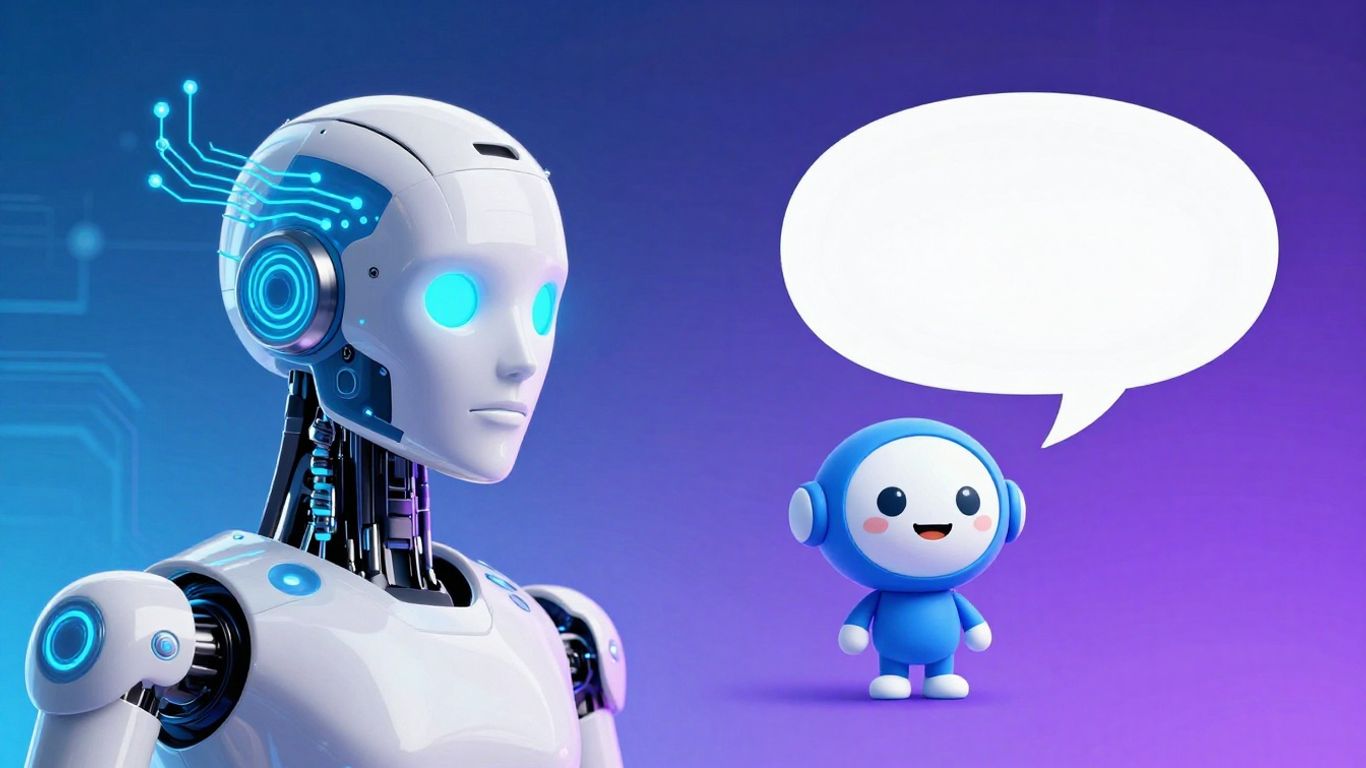
When people talk about artificial intelligence in business, the terms ‘AI agents’ and ‘chatbots’ often get mixed up. It’s easy to see why—they both chat with users and help with tasks. But there’s a big difference in what they can actually do. If you’re wondering about the difference AI agent chatbot, or asking yourself ‘what is an AI agent’ compared to a chatbot, you’re in the right spot. This article breaks down the main contrasts, so you can pick the right tool for your business. Let’s get into what sets AI agents vs chatbots apart, and why it matters for your workflow.
Key Takeaways
- AI agents are built to work on their own, while chatbots mostly wait for someone to start the conversation.
- Chatbots are best for simple, repetitive tasks; AI agents can handle more complicated jobs and make decisions using real-time information.
- If your business needs to connect different apps or systems, AI agents are usually a better fit than chatbots.
- Chatbots learn slowly and need regular updates; AI agents can improve themselves over time by learning from new data and situations.
- Choosing between chatbot vs AI agent depends on your business needs—chatbots are good for basic help, but AI agents are better for complex, ongoing tasks.
Understanding The Core Differences: AI Agents vs Chatbots
Right then, let’s get down to brass tacks. When we’re talking about AI agents and chatbots, it’s easy to get them mixed up. They both sound pretty smart, right? But honestly, they’re quite different beasts, and knowing that difference is key if you’re looking to get some real work done with AI.
Defining AI Agents: Autonomous Problem Solvers
Think of an AI agent as your digital work buddy. It’s designed to not just chat, but to actually do things. These agents can figure out what needs doing, make decisions, and then go ahead and complete tasks, often without you having to hold their hand every step of the way. They’re built to be proactive and can handle pretty complex jobs, like sifting through loads of data to find an answer or even managing multiple steps in a process. They’re the ones that can actually execute actions, like checking an order status or updating your account details, offering a more functional and automated resolution. They’re designed to perform actions.
Defining Chatbots: Conversational Assistants
Chatbots, on the other hand, are more like the friendly receptionist. Their main gig is conversation. They’re great at understanding what you’re asking in plain English (or Aussie English, for that matter) and giving you information or directing you to the right place. Most chatbots work by following set rules or scripts, though the fancier ones use natural language processing to get a better handle on what you mean. They’re reactive – they wait for you to ask something before they pipe up. They excel at answering questions and providing information, often within a defined scope.
Key Functional Distinctions
So, what’s the big deal? It boils down to a few main points:
- Autonomy: Chatbots need you to start the conversation. AI agents can spot a need and jump in on their own.
- Action vs. Information: Chatbots mostly give you info. Agents can take action and complete tasks.
- Complexity: Chatbots handle straightforward questions. Agents can manage multi-step processes and make decisions.
- Learning: Chatbots have limited ways to learn. Agents are built to keep learning and get better over time.
The main takeaway is that while chatbots are fantastic for handling conversations and providing quick answers, AI agents are the ones you want when you need something actually done.
It’s a bit like the difference between asking a librarian for a book (chatbot) versus asking a personal assistant to book your flights, arrange your hotel, and then remind you to pack your passport (AI agent). Both are helpful, but they serve very different needs. Understanding this helps you pick the right tool for the job, whether it’s a simple Q&A or a complex workflow automation. AI agents go beyond basic chatbots by understanding intent and performing complex tasks.
Autonomy And Proactivity: A Defining Contrast
Right, so we’ve talked about what these things are, but the real kicker, the thing that truly separates an AI agent from a chatbot, is how much they can actually do on their own. It’s like the difference between a helpful assistant who waits for you to ask for things and a colleague who sees a problem and just gets on with fixing it.
Chatbots: Reactive By Design
Think of your typical chatbot. You type a question, it gives you an answer. You ask another question, it answers that. They’re built to respond. They’re reactive. If you’ve ever used a website’s help chat, you know the drill. They’re great for simple stuff, like finding out if a shop is open or tracking a package. But ask them to, say, sort out a billing mix-up that involves looking at a few different accounts and making a judgement call? They usually just punt it over to a human.
- They wait for your command.
- Their actions are limited to what they’re programmed to understand.
- They don’t usually go looking for problems to solve.
AI Agents: Initiating Action Independently
Now, AI agents are a different kettle of fish entirely. These are the ones that can actually look at a situation, figure out what needs doing, and then do it without you holding their hand every step of the way. Imagine an agent noticing that a customer’s subscription is about to expire and proactively reaching out with a special offer to keep them. Or an agent spotting a potential issue in your sales data and flagging it, maybe even suggesting a solution. This ability to initiate tasks and make decisions based on context is what makes them so powerful for automating complex jobs. They’re not just waiting around; they’re actively working towards a goal. This is a big step up from simple conversational AI that just chats back and forth.
The Impact On Workflow Automation
This difference in autonomy has a massive impact on how businesses can automate tasks. Chatbots can help with customer service scripts or basic data retrieval, sure. But AI agents can actually take on entire workflows. They can connect to different software, pull information from various places, make sense of it, and then execute a series of actions. This means things like processing orders, managing schedules, or even identifying sales leads can be handled by the agent, freeing up your human team for more important work. It’s a shift from just having a digital helper to having a digital team member that can actually get things done.
The leap from a reactive bot to an autonomous system unlocks new possibilities for customer experience and operational efficiency. It’s not just about answering questions anymore; it’s about solving problems before they even become major issues.
Learning And Decision-Making Capabilities
When we talk about AI agents and chatbots, a big difference pops up in how they learn and make choices. It’s not just about answering questions; it’s about how they get smarter and what they can figure out on their own.
Chatbot Learning: Limited Adaptation
Chatbots, bless their digital hearts, are usually built to follow a script. They’re trained on a specific set of data and rules. Think of them like a really well-read librarian who only knows the books on their shelves. They can answer questions based on that information, and some might have a bit of flexibility to adjust their responses slightly based on what you say. But they don’t really go out and learn new things independently. If you ask them something completely outside their training, they’ll likely hit a wall or give you a generic "I don’t understand" response. Their learning is more about refining how they access and present the information they already have, rather than acquiring entirely new knowledge or skills.
AI Agent Learning: Continuous Improvement
AI agents are a different kettle of fish altogether. They’re designed to learn and adapt over time, much like a human would. They can process new information, identify patterns, and adjust their behaviour based on those findings. This means they can get better at their tasks without needing a human to constantly retrain them. They might analyse customer feedback, track the success of their actions, and then tweak their approach for next time. This continuous learning loop is what makes them so powerful for complex, evolving tasks. It’s like having a team member who’s always studying and improving their game.
Complex Decision-Making In Agents
This ability to learn feeds directly into their decision-making. While a chatbot might follow a simple if-then logic, an AI agent can weigh multiple factors, analyse real-time data from various sources, and make more nuanced decisions. They can assess a situation, predict potential outcomes, and choose the best course of action to achieve a specific goal. This is where they really shine in automating complex workflows. For instance, an AI agent could look at inventory levels, current sales trends, and shipping logistics all at once to decide how to best fulfil an order, something a standard chatbot just couldn’t handle. This makes them incredibly useful for tasks like optimising sales prospects or managing intricate customer service issues.
The capacity for an AI system to learn and make independent decisions is what truly separates the sophisticated agent from the simpler chatbot. It’s the difference between a tool that follows instructions and one that can figure things out.
Integration And Complexity In Business Applications
Chatbot Integration: Platform-Specific
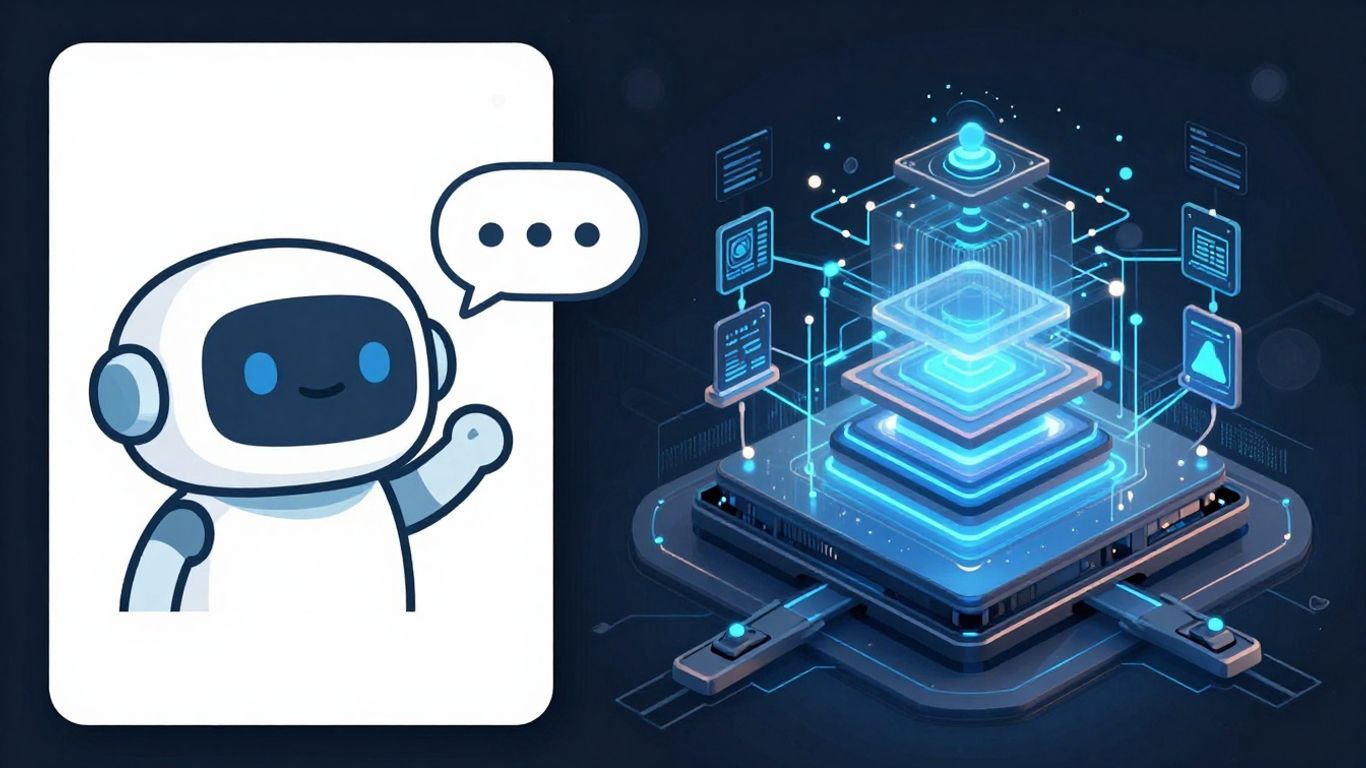
When you’re looking at chatbots, integration usually means plugging them into specific platforms where they’ll do their thing. Think of customer service desks, websites, or messaging apps. They’re often designed to work within a particular ecosystem, like a CRM or a helpdesk software. This makes them pretty straightforward to set up for common tasks, like answering frequently asked questions or guiding users through a simple process. They’re good at what they do, but their world is generally confined to the platform they’re integrated with. It’s like having a specialist who only works in one department – very good at their job, but not really crossing over into other areas.
AI Agent Integration: Cross-System Workflows
AI agents, on the other hand, are built for a much bigger picture. Their integration isn’t just about plugging into one app; it’s about connecting different systems and making them talk to each other. Imagine an agent that can pull customer data from your sales system, check inventory from your warehouse software, and then initiate a shipping request in your logistics platform – all without you lifting a finger. This ability to orchestrate tasks across multiple, disparate systems is where AI agents really shine. It’s about creating automated workflows that span your entire business, not just a single touchpoint. This kind of integration requires a bit more planning upfront, but the payoff in terms of efficiency and reduced manual effort can be massive. It’s less about a specialist and more about a project manager who can coordinate multiple teams to get a complex job done.
Handling Complexity: Linear vs. Variable Scenarios
When we talk about complexity, it’s helpful to think about the types of tasks these tools handle. Chatbots are generally best suited for linear scenarios. You ask a question, it follows a set path to find an answer or perform a simple action. It’s predictable and works well when the steps are clear and don’t change much. Think of it like following a recipe – step one, then step two, then step three.
AI agents, however, are built for variable scenarios. They can handle situations where the path isn’t so clear-cut. They can assess a situation, make decisions based on available data, and adapt their actions accordingly. This might involve:
- Prioritising tasks based on urgency and available resources.
- Troubleshooting issues that have multiple potential causes.
- Adapting to unexpected changes in data or system status.
- Learning from past outcomes to improve future performance.
The difference in how they handle complexity is a key factor in their business application. Chatbots are great for streamlining predictable interactions, while AI agents are designed to tackle the messy, unpredictable parts of business operations that often bog down human teams. This makes them suitable for different kinds of problems.
For instance, a chatbot might handle a simple return request by asking for an order number and then providing a return label. An AI agent, however, could handle a complex billing dispute by analysing past payment history, cross-referencing service logs, and then proposing a resolution, potentially even adjusting the customer’s account balance. This level of autonomous problem-solving is what sets agents apart in managing intricate business processes.
Choosing The Right AI Tool For Your Business
So, you’re looking at AI tools for your business and wondering whether to go with a chatbot or an AI agent. It’s a common question, and honestly, the difference isn’t just a fancy word game. It really matters for how well your team can get things done and how much time you save.
When To Deploy An AI Chatbot
Think of chatbots as your go-to for the straightforward, repetitive stuff. If your team is constantly answering the same questions, or you need a quick way to guide customers to the right information, a chatbot is probably your best bet. They’re great for things like:
- Answering frequently asked questions (FAQs).
- Directing customer queries to the correct department.
- Collecting basic customer information before handing off to a human.
- Providing quick updates on order status or appointment times.
Chatbots are generally easier to set up and integrate, especially if you’re just looking to improve customer service on your website or within a specific app. They’re reactive, meaning they wait for you to ask something before they respond. It’s like having a helpful receptionist who knows all the basic info but can’t really solve complex problems on their own.
When To Invest In AI Agents
Now, if you’ve got more complex workflows that need a bit of brains and initiative, that’s where AI agents shine. These aren’t just waiting around for instructions; they can figure things out and take action across different systems. Imagine needing to process a customer return that involves checking inventory, updating the sales system, and then initiating a refund. A chatbot would likely just tell you to contact support, but an AI agent could potentially handle the whole thing.
AI agents are ideal for:
- Automating multi-step business processes.
- Tasks requiring analysis and decision-making based on data.
- Proactively identifying and resolving issues before they become big problems.
- Integrating with multiple software systems to complete a job.
These agents can learn over time, getting better at their tasks. They’re the ones you want for serious process automation, especially in areas like IT support, HR onboarding, or even sales outreach where context and follow-through are key.
Strategic AI Deployment For Business Needs
Choosing the right tool really comes down to what you need it to do. Don’t overspend on an AI agent if a chatbot will do the job. Conversely, don’t expect a chatbot to handle tasks that require independent action and learning.
It’s about matching the AI’s capabilities to the specific problem you’re trying to solve. A chatbot is a conversational assistant, while an AI agent is an autonomous problem solver. Understanding this core difference helps you avoid common pitfalls and make a smart investment in your business’s future.
Here’s a quick rundown to help you decide:
| Feature | AI Chatbot | AI Agent |
|---|---|---|
| Primary Function | Conversational interaction, information retrieval | Task completion, process automation, decision-making |
| Autonomy | Reactive; requires user input | Proactive; can initiate actions independently |
| Learning | Limited; follows pre-programmed rules | Continuous; adapts and improves over time |
| Complexity | Handles simple, structured tasks | Manages complex, multi-step workflows |
| Integration | Often platform-specific | Can integrate across multiple systems |
Ultimately, both chatbots and AI agents are powerful tools. The trick is to know which one fits your specific business needs and goals. Getting this right means you’re not just adopting new tech, but genuinely improving how your business operates. For more on how these tools differ, you can look into AI agent capabilities.
Evolution Of AI Interactions: From Scripts To Autonomy
The Role Of Conversational AI In Chatbots
Remember when you first started chatting with a bot online? Chances are, it was pretty basic. You’d ask a question, and it would either point you to a help article or give a pre-programmed answer. This was the era of scripted interactions. Conversational AI has come a long way since then, allowing chatbots to understand more natural language. Instead of just keywords, they can now grasp the intent behind your questions, even if you phrase them a bit differently. Think of it as moving from a simple yes/no machine to one that can actually follow a conversation thread, albeit a short one. These smarter bots can handle more nuanced queries and offer personalised responses, making the experience feel a lot less robotic. This shift means chatbots can now manage a wider range of common customer service tasks, like answering FAQs or guiding users through straightforward processes.
AI Agents: Expanding Beyond Conversation
While chatbots got good at talking, AI agents took things a step further. They don’t just understand language; they can act on it. Imagine a chatbot that can book your appointment, and then an AI agent that can not only book it but also check your calendar for conflicts, send out reminders, and even reschedule if something comes up, all without you needing to prompt it at each step. This is where the real difference lies. AI agents are built to execute multi-step tasks, pull information from different systems, and make decisions based on that data. They’re like having a digital assistant who can actually get things done for you in the background, connecting different apps and workflows to achieve a goal. This ability to initiate action independently is a game-changer for automating complex business processes.
Use Cases For AI Agents And Chatbots
So, when do you use which? Chatbots are still brilliant for straightforward tasks. They’re great for answering common questions on a website, qualifying leads, or handling simple transactions. If you need a system to manage a high volume of predictable queries, a chatbot is your go-to.
On the other hand, AI agents shine when the task gets complicated. Think about things like:
- Processing complex customer support tickets that require looking up data across multiple databases.
- Automating sales outreach by identifying leads, drafting personalised emails, and scheduling follow-ups.
- Managing dynamic inventory and order fulfillment, adjusting to real-time stock levels and shipping logistics.
- Proactively identifying potential IT issues within a company and initiating fixes before users even notice a problem.
The journey from simple, scripted chatbots to sophisticated, autonomous AI agents represents a significant leap in how we interact with artificial intelligence. It’s not just about better conversations anymore; it’s about AI taking initiative and completing tasks independently, transforming how businesses operate and how we get things done.
Essentially, if a task involves a series of steps, requires decision-making based on varied information, or needs to happen proactively, you’re likely looking at a job for an AI agent. For simpler, direct Q&A or guided processes, a chatbot still fits the bill perfectly. The evolution shows a clear path from reactive assistance to proactive problem-solving across enterprises.
So, What’s the Go?
Right then, we’ve had a good yarn about AI agents and chatbots. Basically, think of chatbots as your helpful front desk person – they can answer common questions and point you in the right direction, but they stick to the script. AI agents, on the other hand, are more like your all-rounder colleague. They can figure things out, get stuff done across different systems, and even learn as they go. So, whether you need someone to just chat or someone to actually tackle a task, knowing the difference helps you pick the right tool for the job. It’s not really about one being better than the other, but more about using them for what they’re actually good at.
Frequently Asked Questions
So, what’s the main difference between an AI agent and a chatbot?
Think of it like this: a chatbot is like a helpful assistant who follows instructions really well and can chat about specific things. An AI agent is more like a super-smart teammate who can figure things out on its own, make plans, and get jobs done without you having to tell it every single step. Chatbots are great for answering questions, while agents can actually do tasks.
Can chatbots learn and get smarter on their own?
Chatbots usually learn from the information you give them beforehand, and they stick to those rules. They can be updated, but they don’t really learn from talking to people in the same way an AI agent does. AI agents are designed to keep learning and get better over time from all the interactions they have.
Do AI agents need a human to tell them what to do all the time?
Not at all! That’s a big difference. Chatbots usually wait for you to ask something. AI agents, on the other hand, can spot a need or a problem and start working on it by themselves. They’re proactive, meaning they can take action without being prompted every single time.
Which one is better for automating tasks in a business?
It really depends on the task! For simple, repetitive jobs like answering common questions or guiding someone to information, a chatbot is usually perfect. But if you need something to handle complicated tasks that involve multiple steps, making decisions, and working with different computer systems, an AI agent is the way to go. Agents are better for automating complex workflows.
Can an AI agent replace a human worker?
AI agents are designed to help humans, not necessarily replace them. They can take over boring or time-consuming tasks, freeing up people to focus on more creative or important work. Think of them as powerful tools that boost productivity and help teams work smarter.
When would I choose a chatbot over an AI agent for my business?
You’d pick a chatbot if you need something to handle straightforward conversations, answer frequently asked questions, or guide users to specific resources. They’re excellent for customer service basics or internal help desks where the questions are predictable. If your needs are simple and conversation-focused, a chatbot is a solid choice.