AI for Retail Businesses in Australia
G’day! So, AI is popping up everywhere, right? And the retail scene here in Australia is no different. It’s not just for the big guys anymore; even small businesses are finding ways to use it. We’re talking about making things run smoother, keeping customers happy, and honestly, just staying ahead of the game. Let’s have a look at how AI for retail Australia is changing things up.
Key Takeaways
- AI is shifting from a test run to a regular part of business for many Australian retailers, covering everything from how stock is managed to how customers are treated.
- Businesses using AI for retail Australia are seeing real benefits, like more sales and less money tied up in stock.
- Retail is actually leading the pack in Australia when it comes to using AI, with lots of businesses seeing it as a key part of how they operate.
- Smart use of AI in retail Australia means showing customers clear benefits, like better prices or faster service, which helps build trust.
- AI is helping small retail businesses in Australia with things like predicting what customers will want to buy and suggesting the right products.
Leveraging AI For Enhanced Customer Loyalty In Australian Retail
Building strong customer loyalty is a big deal for Aussie retailers, and AI is really shaking things up in this area. It’s not just about sending out generic emails anymore; it’s about making each shopper feel like they’re getting a special deal, just for them. Think about it – when a shop knows what you like, what you’ve bought before, and even what you might need next, it makes shopping so much easier and more enjoyable. This is where AI steps in, acting like a super-smart personal shopper for everyone.
Personalising The Shopper’s Journey
AI helps tailor the whole shopping experience, from the moment someone lands on your website to when they walk out the door. It looks at past purchases, browsing history, and even what’s trending to show people products they’re more likely to be interested in. This means less time scrolling and more time finding exactly what they want. For example, a clothing store might use AI to suggest outfits based on items a customer has previously bought or even liked on social media. It’s about making that connection, so they feel understood.
- AI can analyse customer data to predict future buying habits.
- It helps create personalised product recommendations that actually make sense.
- This leads to a smoother, more relevant shopping trip for the customer.
- It can even adjust website layouts or app interfaces based on individual preferences.
Driving Repeat Purchases With AI
Getting someone to buy once is one thing, but getting them to come back is the real win. AI is brilliant at this. It can identify customers who might be drifting away and send them a targeted offer to bring them back. Or, it can spot a customer who’s just bought something and suggest complementary items they might need soon. This proactive approach keeps your brand top-of-mind. Woolworths, for instance, is using predictive AI to get better at personalising offers, aiming to keep shoppers coming back for more.
AI helps retailers move beyond broad customer segments to understand individual preferences and behaviours, leading to more effective retention strategies.
Building ‘Segment-Of-One’ Loyalty
This is the holy grail of customer loyalty – treating every single customer as unique. AI makes this possible by analysing vast amounts of data to understand the nuances of each individual shopper. It’s not just about knowing they bought a coffee machine; it’s about knowing they prefer a certain brand, buy it on a Tuesday, and usually pair it with a specific type of coffee bean. This level of detail allows for hyper-personalised offers, birthday discounts, or even early access to sales on their favourite items. It’s about building a relationship that feels personal, making customers feel valued and less likely to shop around. Exploring effective loyalty programs for 2025 can give you a good starting point for integrating these AI-driven strategies.
Optimising Retail Operations With AI In Australia
Running a retail business in Australia means juggling a lot. You’ve got stock to manage, deliveries to track, and staff to schedule, all while keeping an eye on the bottom line. It’s a constant balancing act, and that’s where artificial intelligence is starting to make a real difference. AI isn’t just about fancy customer-facing tech; it’s also a powerful tool for streamlining the behind-the-scenes stuff that keeps your business ticking.
AI Inventory Management For Retail Australia
Running out of popular items is a pain for customers, and having too much stock gathering dust is a drain on your finances. AI can sort this out. By looking at past sales data, current trends, and even external factors like weather or local events, AI can predict exactly how much of each product you’ll need. This means fewer stockouts and less money tied up in unsold goods. It’s about having the right products on the shelves at the right time, every time. For example, AI can help synchronise your source-to-shelf logistics to avoid those frustrating "out-of-stocks" that turn shoppers away.
Streamlining Supply Chain Resilience
Supply chains can be pretty fragile, as we’ve all seen. A hiccup in one part of the world can cause chaos down the line. AI can help build more robust supply chains by spotting potential problems before they happen. It can analyse shipping routes, supplier performance, and even global news to flag risks. This allows you to make backup plans, like finding alternative suppliers or rerouting shipments, so your shelves stay stocked even when things get bumpy. This is particularly important for businesses looking at retail network planning in Australia to ensure smooth operations.
Automating Warehouse And Rostering
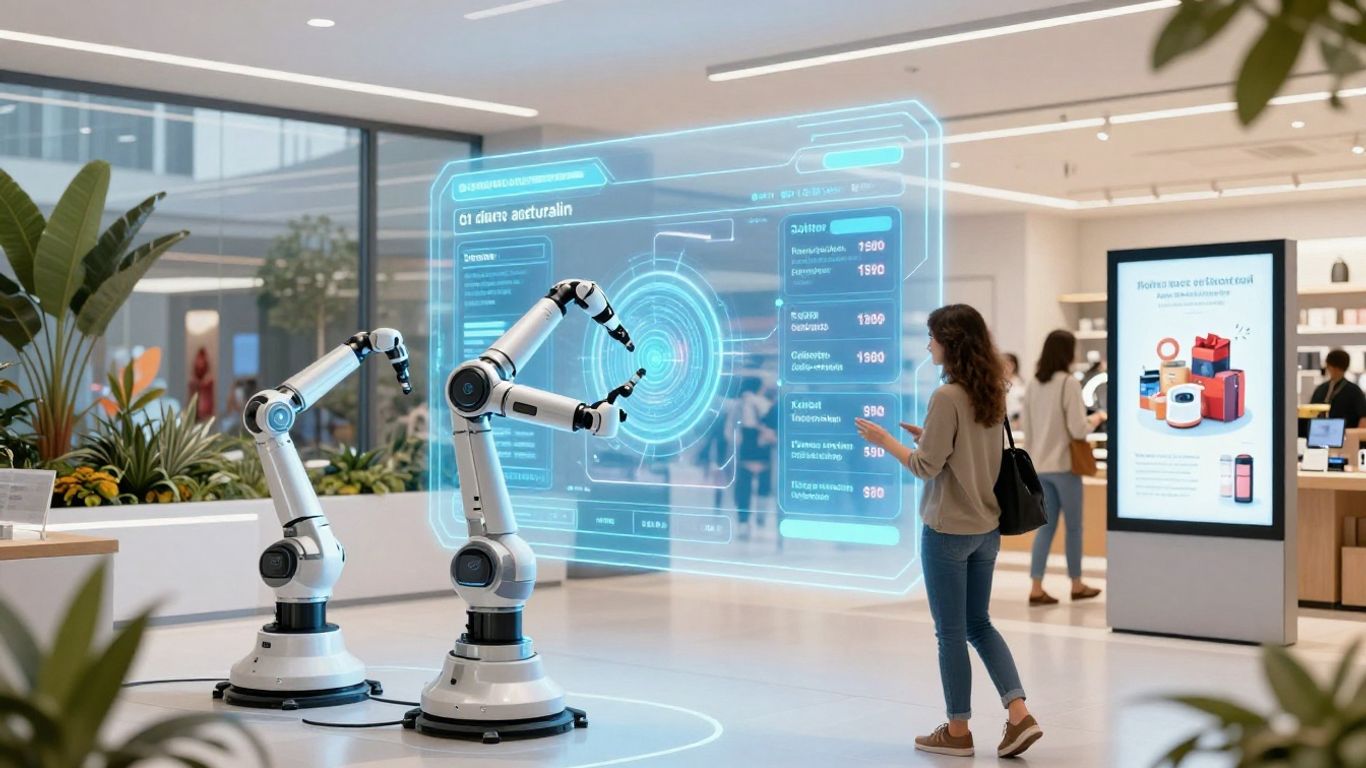
Think about the manual tasks involved in running a warehouse or scheduling staff. AI can take over a lot of that. In warehouses, robots guided by AI can sort stock, manage picking and packing, and even keep track of inventory levels with incredible accuracy. For rostering, AI can look at predicted customer traffic, staff availability, and skill sets to create optimal schedules. This means you’re not overstaffing during quiet periods or understaffing when you’re busy. It’s about making sure your team is where they need to be, when they need to be there, without all the administrative headaches.
AI is transforming how Australian retailers manage their day-to-day operations. From predicting stock needs to optimising staff schedules, these technologies are designed to cut down on waste and boost efficiency. It’s about making smarter decisions based on data, not just guesswork.
These operational improvements aren’t just about saving money; they also contribute to a better customer experience. When inventory is managed well and deliveries are on time, customers are happier. Plus, by automating repetitive tasks, your staff can focus on more important things, like helping customers on the shop floor. It’s a win-win for everyone involved. For instance, AI can help improve staff scheduling based on predicted traffic and performance, making sure you have the right people on hand.
The Impact Of AI On Retail Automation In Australia
It feels like everywhere you look these days, there’s talk about AI. And in Australian retail, it’s not just talk – it’s actually changing how things get done. We’re seeing a big shift towards automating a lot of the day-to-day stuff, which is making businesses run a lot smoother.
Driving Efficiency Through Automation
Think about all the repetitive tasks that used to take up so much time. AI is stepping in to handle a lot of that. We’re talking about things like automatically sorting products, keeping an eye on stock levels without someone having to physically check every shelf, and even managing customer queries. This frees up staff to focus on more important things, like helping customers directly or coming up with new ideas. It’s about making sure the basics are covered so the team can do their best work.
- Automated checkout systems: Less waiting in line for shoppers, and less manual scanning for staff.
- Smart shelf monitoring: Real-time updates on what’s available, reducing those frustrating ‘out of stock’ moments.
- AI-powered demand forecasting: Predicting what people will want to buy, so stores can stock up accordingly.
The pressure on Australian retailers is immense. Customers expect personalised experiences, instant product availability, and fast checkouts. Trying to meet these demands manually is becoming almost impossible, which is why so many are turning to automation.
AI For Faster Fulfilment Cycles
Getting products from the warehouse to the customer’s hands quickly is a big deal. AI is making this process much quicker. By analysing sales data and predicting demand, AI helps manage inventory better, meaning products are ready to go when orders come in. This also helps streamline the whole process, from picking items in the warehouse to getting them out the door for delivery. It means fewer delays and happier customers, which is always a good thing for business. This is a key part of retail automation solutions Australia.
Reducing Operational Overhead With AI
When you automate tasks, you often end up saving money. AI can help reduce errors that happen with manual work, which can be costly to fix. It also means businesses don’t need as many people doing the same routine jobs, or they can use their existing staff more effectively. This leads to lower operating costs overall. Plus, with smarter pricing strategies driven by AI, retailers can make sure they’re getting the best price for their products without losing customers. It’s about working smarter, not just harder, to keep those profit margins healthy. Retail is actually leading the way in AI adoption in Australia, showing how practical these changes can be.
Real-World AI Applications For Small Retail Businesses
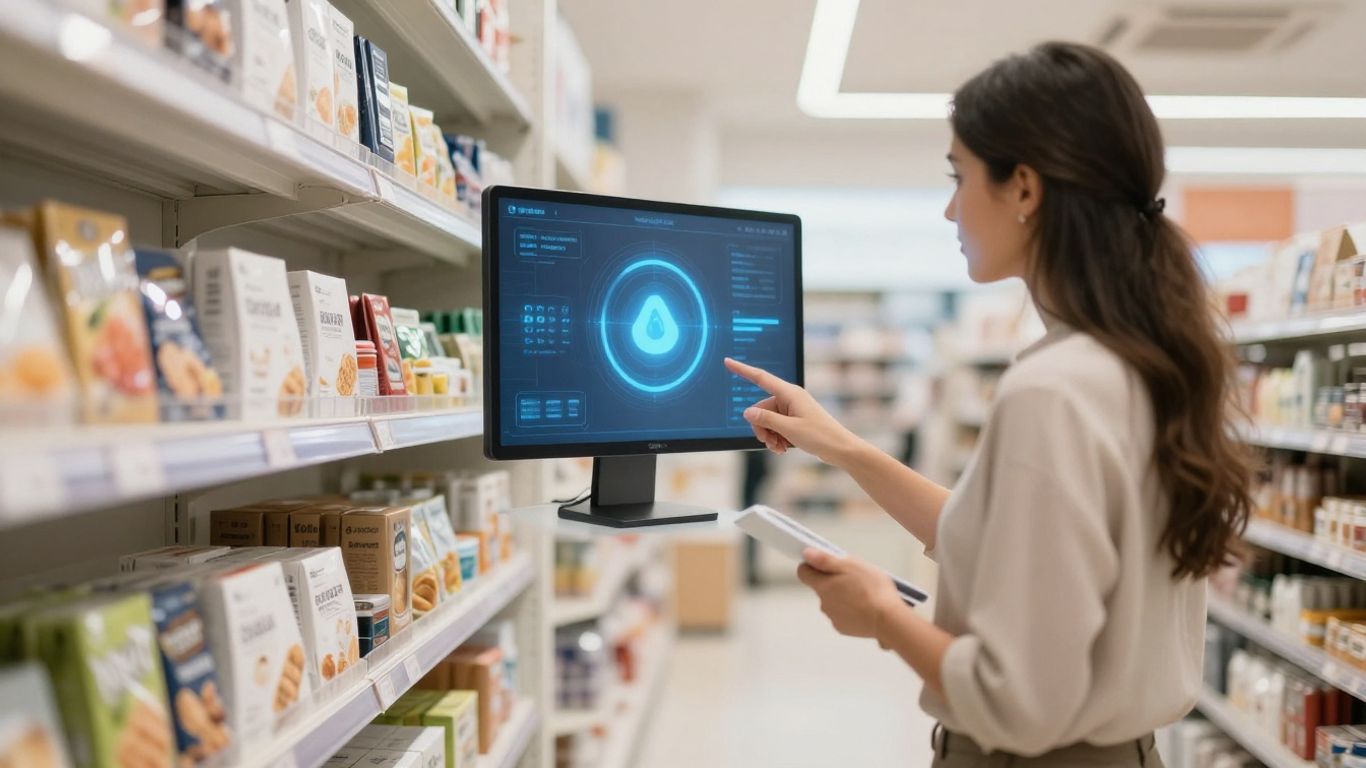
Look, AI isn’t just for the big players anymore. Small businesses in Australia are starting to see how this tech can actually make a difference without needing a massive budget or a team of data scientists. It’s about making things a bit easier and smarter, day-to-day.
AI-Driven Demand Forecasting
Ever ordered too much stock of something that just sits there, or worse, run out of a popular item just before a busy weekend? AI can help sort that out. By looking at past sales, what’s trending online, and even local events, AI can give you a much better idea of what people are likely to buy. This means you can order smarter, reducing waste and making sure you don’t miss out on sales. It’s about getting the right stuff to the right place at the right time. For example, using AI to study shopping patterns can really help you get ahead.
Predictive Markdown Optimisation
This one’s a lifesaver for businesses with perishable goods, like bakeries or fresh produce stores. Instead of guessing when to discount items that are nearing their use-by date, AI can predict the best time to offer a discount. This means less food ends up in the bin and you still make some money back on it. Coles, for instance, has used this to cut down on food waste significantly. It’s a win-win: customers get a bargain, and you reduce losses.
Intelligent Product Recommendations
Think about how online stores suggest other items you might like based on what you’re looking at. AI can do that for your business too, whether it’s on your website or even helping your staff suggest things in-store. R.M. Williams saw a decent jump in sales and online conversions by using AI to suggest products. It makes the shopping experience feel more personal for the customer, and often leads to them buying more than they initially planned. It’s like having a helpful assistant who knows what your customers are likely to be interested in next.
Getting started with AI doesn’t have to be complicated. Focus on one area where you’re seeing a problem, like stock management or predicting sales, and see if an AI tool can offer a solution. It’s often about small, smart changes that add up.
Here’s a quick rundown of how these tools can help:
- Better Stock Control: Order less of what doesn’t sell, more of what does.
- Reduced Waste: Especially important for food businesses, saving money and the planet.
- Increased Sales: By suggesting the right products at the right time.
- Happier Customers: They find what they want, and maybe discover something new they love.
Implementing these kinds of AI solutions can really change how a small business operates, making things more efficient and profitable. It’s about using smart tech to do the heavy lifting, so you can focus on running your business and looking after your customers. This kind of data access can be a game-changer, with some platforms boosting data access by 80%.
Navigating The Australian Retail AI Landscape
So, you’re thinking about bringing AI into your Australian retail business. That’s a smart move, but it’s not quite as simple as just flicking a switch. There are a few things to consider, especially here in Australia, to make sure it all goes smoothly.
Bridging The Australian Trust Deficit
It’s a bit of a funny situation. While many Aussies are a bit wary of AI in general, when it comes to retail, we’re actually pretty comfortable using it. Think about finding better deals or getting through the checkout faster. The trick for businesses is to show people the real benefits, not just hide behind complicated tech. It’s about making AI work for the shopper, not just for the business. This means being upfront about how AI helps them, like with personalised offers or quicker service. It’s moving away from those confusing ‘black box’ systems to AI that clearly makes life easier for customers.
Ensuring Data Security And Compliance
This is a big one, especially with new privacy rules coming into effect. You’ve got to protect customer information like it’s gold. That means strong security measures and making sure you’re following all the Australian laws, like the Privacy Act. It’s not just about the tech; it’s about doing things the right way. Retailers are looking at things like keeping data local and being able to explain how AI makes decisions, especially around pricing. It’s a bit of a balancing act, but it’s totally doable.
Accessing Expertise Through Partnerships
Let’s be honest, not every small business has a team of AI wizards on staff. And trying to hire them can be tough and expensive. That’s where teaming up with specialised AI companies comes in handy. They’ve got the know-how and the experience to help you implement AI without breaking the bank. It’s like having a secret weapon to help you get ahead. These partners can help you figure out the best AI tools for your specific needs, whether it’s managing stock or making product suggestions. Many Australian small businesses are already using AI tools, with more planning to adopt them soon [1f49].
Implementing AI in Australian retail isn’t just about the technology itself. It’s also about getting your team on board, making sure your data is in good shape, and choosing the right problems to solve. Starting small with pilot projects is a smart way to test the waters before going all in.
The Future Of AI In Australian Retail
So, what’s next for AI in Aussie retail? It’s not just about making things run smoother; it’s about completely changing how we shop and how businesses operate. We’re seeing AI move beyond just behind-the-scenes tasks and into areas that directly impact the customer experience and how businesses create their products and marketing.
Generative AI Revolutionising Content
Think about all the product photos, descriptions, and marketing emails you see. Generative AI is starting to churn these out at a massive scale. For smaller Australian businesses, this is a game-changer. Suddenly, you can have professional-looking marketing materials without needing a huge budget or a big team. We’re talking about creating virtual showrooms that look incredibly real, generating high-quality product images, and even making interactive 3D demos. It really levels the playing field, allowing even boutique brands to have a polished online presence. It’s estimated that 91% of ANZ retailers are already investing in this area.
AI Meets Augmented And Virtual Reality
Imagine walking into a store, or even just browsing online, and being able to see exactly how that new couch will look in your living room, or how that new TV will fit on your wall. AI is set to team up with Augmented Reality (AR) and Virtual Reality (VR) to make this a reality. Retailers like Bunnings could use this to help customers visualise complex home projects, with AI offering real-time advice on what parts will fit and work together. This kind of immersive experience is going to become more common, making online shopping feel more tangible.
Human + AI: The Future Of Retail Work
There’s a lot of talk about AI taking jobs, but in retail, the focus is shifting towards how humans and AI can work together. It’s not about replacement; it’s about augmentation. AI can handle the repetitive tasks, crunch the data, and provide insights, freeing up human staff to focus on what they do best: customer service, problem-solving, and building relationships. Retailers who get this ‘human + AI’ balance right will be the ones who build stronger, more adaptable businesses. This collaborative approach is key to navigating the evolving retail landscape and driving better outcomes for everyone involved.
The integration of AI with other technologies like the Internet of Things (IoT) is also paving the way for truly connected shopping experiences. Your interactions across different platforms, whether it’s voice commands, text messages, or visual interfaces, will all be understood by AI, keeping track of your preferences and context throughout your entire shopping journey.
Wrapping Up: AI and the Future of Aussie Retail
So, there you have it. Artificial intelligence isn’t some far-off sci-fi concept anymore for Australian retailers; it’s here, and it’s already making a real difference. From keeping shelves stocked just right to making sure you get deals that actually make sense for you, AI is quietly working behind the scenes. It’s helping businesses run smoother, cut down on waste, and honestly, just make shopping a bit less of a hassle. The businesses that are jumping on board now are the ones that will likely be leading the pack in the years to come. It’s not just about having the latest tech; it’s about using it smartly to give customers what they want and need. The future of retail in Australia is definitely looking a lot more intelligent.
Frequently Asked Questions
How are Aussie shops using AI right now?
Shops in Australia are using AI to make things run smoother and customers happier. Think of AI helping to guess what shoppers will want to buy next, so stores don’t run out of popular items. It also helps with things like deciding when to put things on sale to avoid waste, and even making sure the right number of staff are working when it’s super busy.
What are the coolest ways AI is used in Aussie retail?
Some of the most helpful AI uses include making sure there’s always enough stock on the shelves, figuring out the best time and price to discount items that need to be sold quickly, and using smart computer programs to help customers with problems like returns or deliveries without needing a person every time. AI also helps keep online shopping safe from tricky people trying to cheat the system.
How does AI make shopping better for customers in Australia?
AI makes shopping feel more personal and easier. It helps shops understand what you like, so they can show you things you’ll probably want and offer deals that are actually useful to you. It also makes things like finding what you need online or checking out quicker, cutting down on annoying waiting times.
Can small shops in Australia use AI too?
Absolutely! Even smaller shops can use AI. For example, AI can help predict what products will sell well, suggest the best discounts for items that aren’t moving, and recommend products to customers based on what they’ve looked at before. It’s all about making smart choices easier.
Is it hard for Aussie businesses to start using AI?
It can seem a bit tricky, especially with rules about keeping customer information safe and making sure everyone trusts the technology. But by working with experts and focusing on how AI clearly helps customers, like saving them money or making shopping easier, businesses can build that trust and make the switch smoothly.
What’s next for AI in Australian shops?
The future is exciting! AI will get even better at creating cool stuff, like helping design new products or making realistic online shops. It’ll also work hand-in-hand with new tech like virtual reality to let you try things out before you buy. The main idea is that AI won’t replace people, but will help them do their jobs even better, making shops smarter and more helpful.